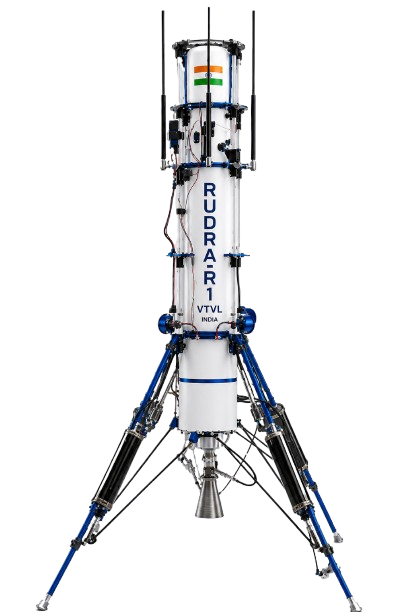
RUDRA-R1 rocket on the pad
MISSION PRAGATI

Launches

From our ongoing RUDRA-R1 demonstrator to the Karman-line flight that follows it, every Talisha launch exists to prove one more piece of the reusable stack — engines, autonomous landing, and the software that ties it together.

UPCOMING MISSION RUDRA-R1
RUDRA-R1 First reusable prototype — VTVL demonstrator RUDRA-R2 Second-generation vehicle — Karman line & autonomous landing

Faster. Affordable. Reliable.

Propulsion
Engines
Avionics
& GNC
Recovery
Systems
Mission
Software
Ground
Stations
ONGOING PROGRAM

RUDRA-R1

RUDRA-R1 is Talisha's vertical take-off, vertical landing (VTVL) demonstrator — a hover-capable testbed built to validate the guidance, throttling, and propulsive-landing software that every future reusable stage will fly. It exists purely to de-risk recovery before we bet a full orbital mission on it.

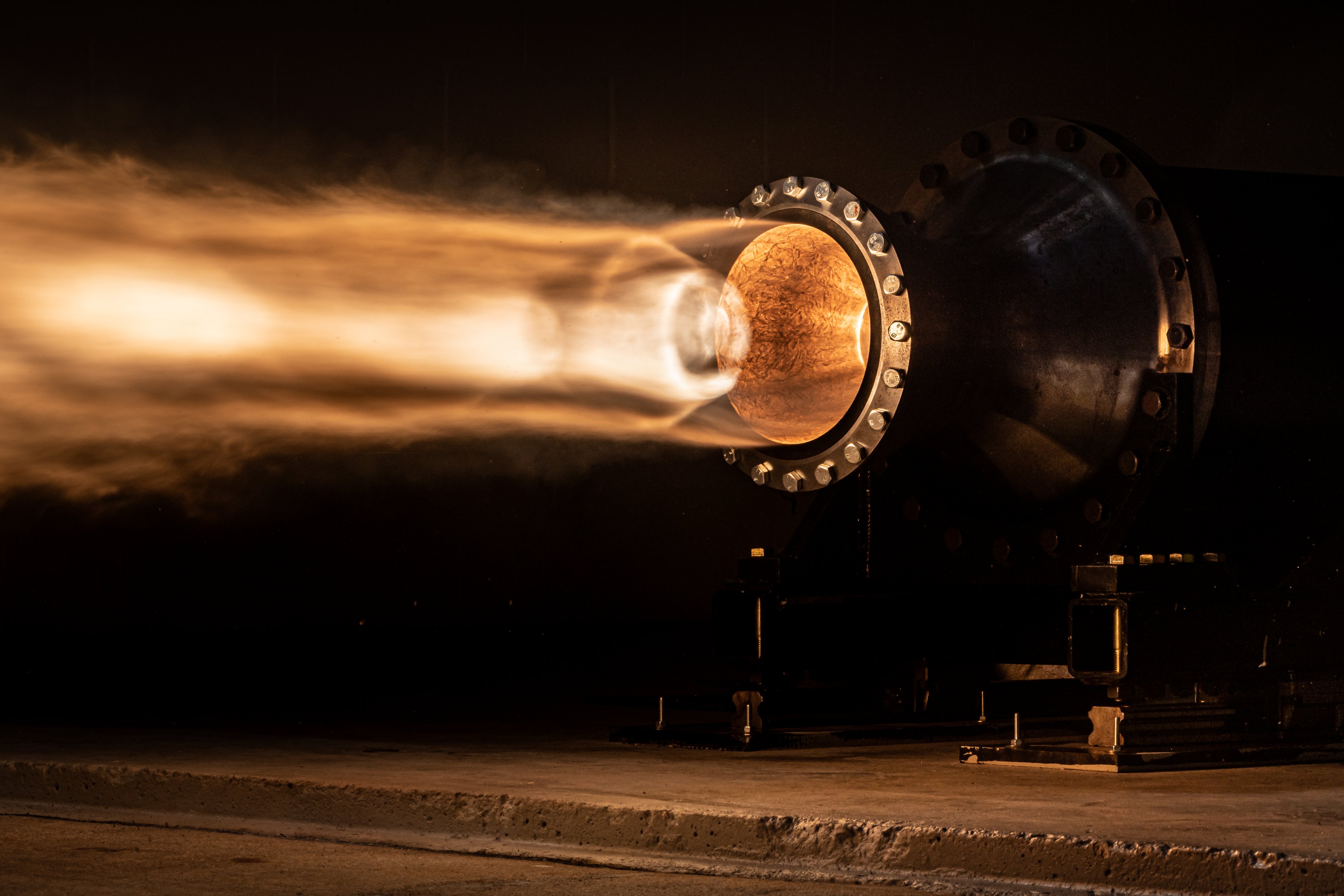
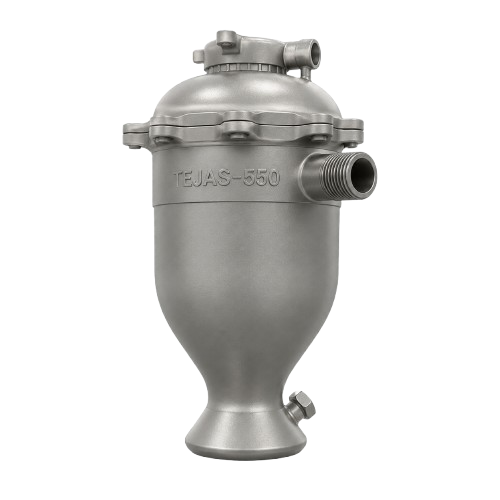
Each flight climbs on a single throttleable TEJAS-550 engine, holds a controlled hover, then commands a fully autonomous descent and landing on four deployable legs — refining the control software a little further with every test.

Vehicle Height2.59 m / 8.5 ft
Diameter 1.2 ft
PropellantsBio-Kerosene (RP-1) + Liquid Oxygen
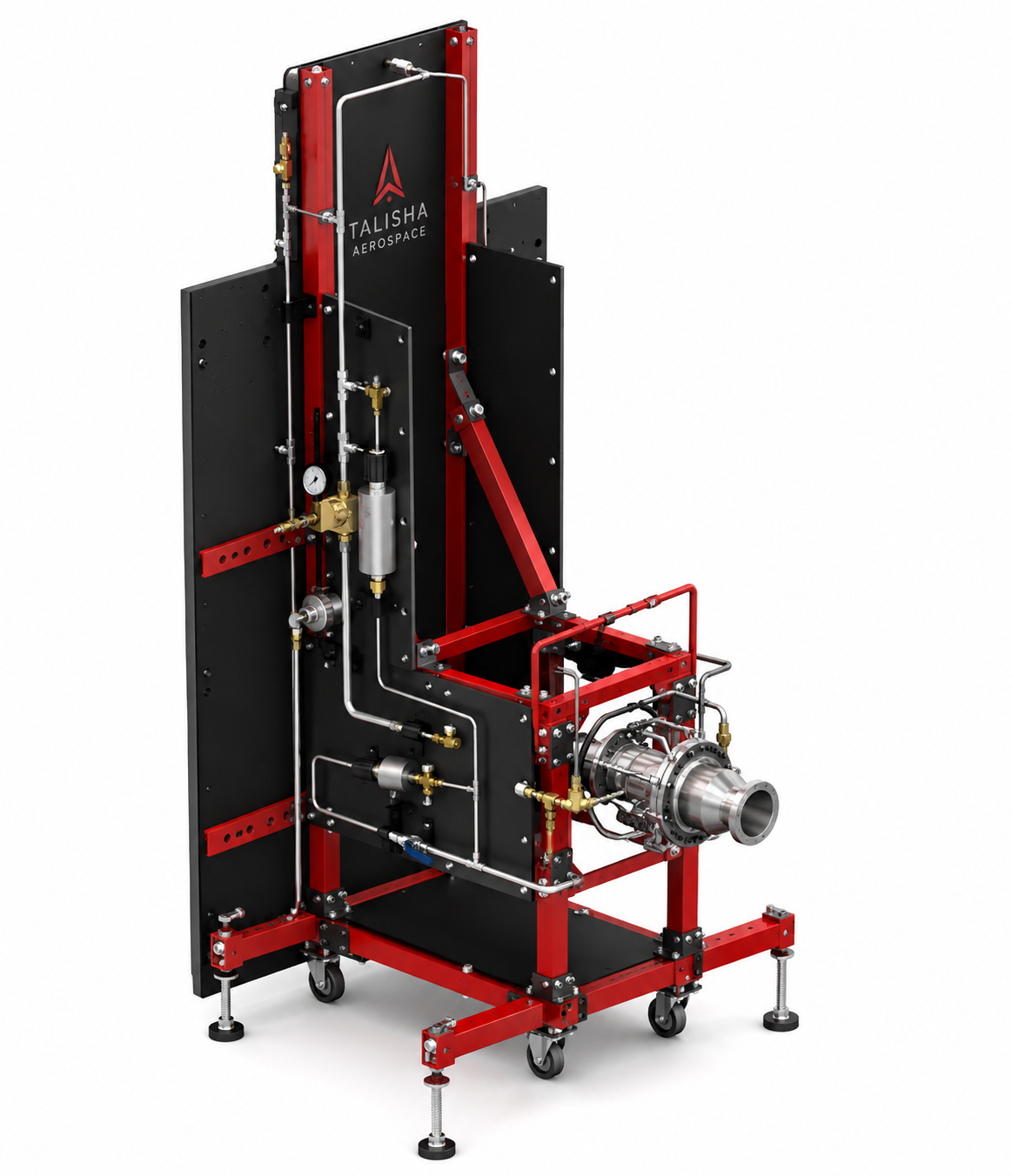
Engine1x TEJAS-550, throttleable
Max Hover Altitude1.2 km
Landing4-leg autonomous propulsive touchdown
PurposeGNC & recovery software validation
Full Vehicle Data Sheet
RUDRA-R1 rocket
BUILD PROGRESS

RUDRA-R1 Prototype Build

RUDRA-R1 airframe assembly
Airframe Assembly
Landing leg deployment rig
Landing Leg Deployment Rig
Engine gimbal test
Engine Gimbal Test
Tethered hover test
Tethered Hover Test
MISSION PROFILE

RUDRA-R1 Flight Trajectory

RUDRA-R1 lifts off, holds a controlled hover, then commands a fully autonomous descent — validating the exact landing sequence a full-scale recoverable stage will fly.

LIFTOFF
ASCENT
HOVER APEX
REORIENTATION
DESCENT BURN
AUTONOMOUS LANDING
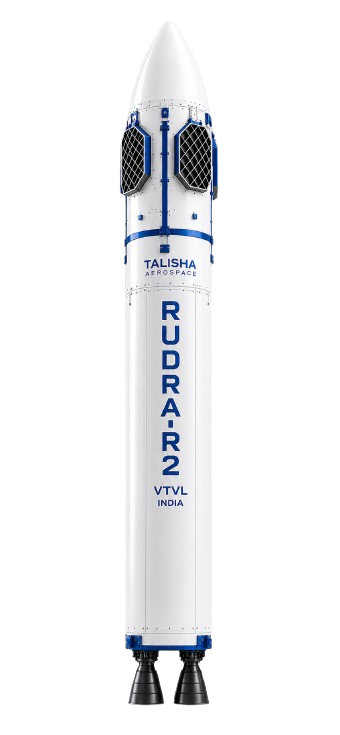
RUDRA-R2 Karman line demonstrator
NEXT MILESTONE — AFTER RUDRA-R1 SUCCESS

RUDRA-R2

Karman Line & Autonomous Landing Demonstrator

Once RUDRA-R1 proves the recovery software at low altitude, RUDRA-R2 takes the same stack full scale. It's a larger, single-stage reusable rocket built to climb straight up past 100 km — the Karman line — and fly itself back down to an autonomous landing on the pad it launched from.

The purpose is entirely about proving the hard parts before they fly on an orbital mission: a full-duration burn of the flight engine at altitude, the guidance calculations that plan a safe return trajectory in real time, and an autonomous landing executed with zero manual control input from the ground.

Target Apogee~100 km (Karman line)
StageSingle stage, reusable
Engine2 x TEJAS-xpro, throttleable, gimbaled
RecoveryAutonomous propulsive landing at launch site
StatusIn development — follows the RUDRA-R1 flight campaign
SOFTWARE & TEST INFRASTRUCTURE

Built, Simulated, And Tested In-House

Every landing you see on a flight was rehearsed thousands of times first — in simulation, then on hardware, in labs we built ourselves.

GNC Simulation
Lab
Hardware-in-the-
Loop Lab
Propulsion
Test Cell
Flight Software
Integration Lab
Payload above Earth
FLY WITH TALISHA

Tell Us About Your Payload

Share your mission requirements or request a payload user's guide — our team will follow up with a launch plan.

Book A Launch